Exploring the Types of Computer Graphics for Architectural Visualization

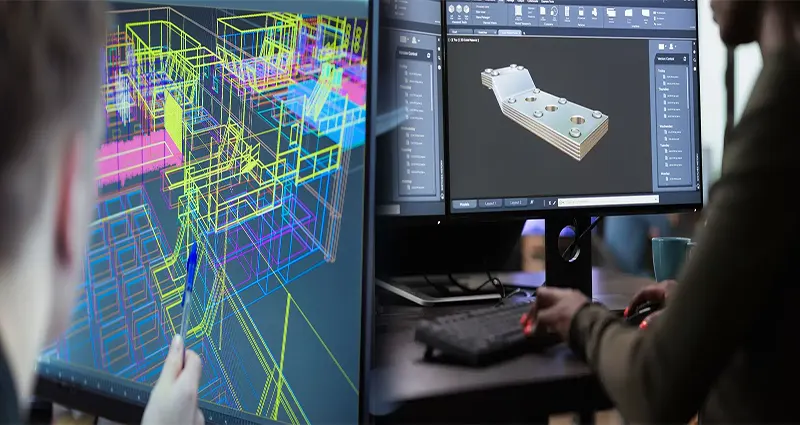
In the realm of architectural design and visualization, computer graphics play a pivotal role in bringing concepts and designs to life. From creating immersive 3D renderings to simulating realistic lighting and environments, various types of computer graphics techniques are utilized to enhance the visualization of architectural projects. Let’s delve into the diverse types of computer graphics commonly employed in architectural visualization.

1. 3D Modeling

One of the fundamental components of architectural visualization, 3D modeling involves the creation of three-dimensional representations of buildings, landscapes, and interior spaces. Advanced software such as Autodesk 3ds Max, SketchUp, and Blender enable architects and designers to meticulously craft detailed 3D models that form the basis for further visualization techniques.

2. Rendering

Rendering is the process of generating photorealistic images or animations from 3D models. Through rendering, architects can simulate lighting, textures, and materials to produce lifelike visualizations of their designs. Ray tracing and global illumination … Read the rest

Mastering the Art of 3D Computer Graphics Techniques for Animation and Modeling

In the ever-evolving world of digital art and entertainment, 3D computer graphics have become an integral part of creating visually stunning animations and lifelike models. For aspiring animators and modelers, understanding and mastering 3D computer graphics techniques is essential to bring their creations to life. Let’s delve into some key techniques used in 3D computer graphics for animation and modeling.

1. Polygon Modeling

  • Description: Polygon modeling is a fundamental technique in 3D computer graphics that involves creating 3D objects using polygons (such as triangles or quads).
  • Application: This technique is widely used in character modeling, architectural visualization, and object design in animation projects.

2. Rigging and Animation

  • Description: Rigging is the process of adding a skeleton or structure to a 3D model to enable movement and animation. Animating involves creating keyframes and defining motion paths for the model.
  • Application: Rigging and animation are crucial for giving characters and objects realistic
Read the rest
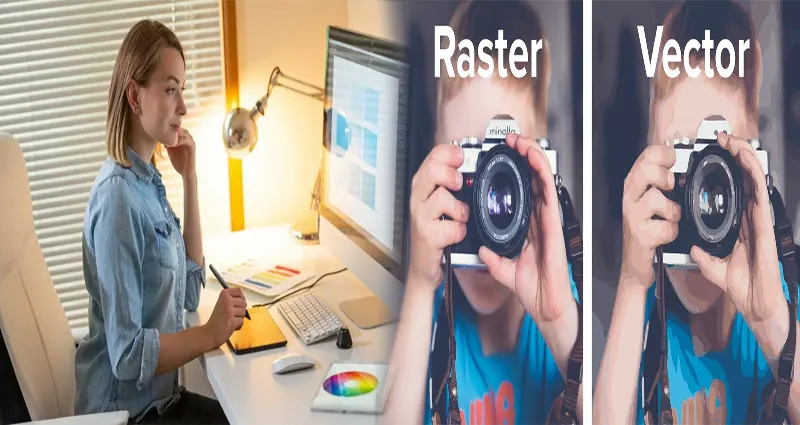
Vector Graphics vs. Raster Graphics: A Comparison for Web Design

When it comes to designing visually appealing websites, the choice between vector graphics and raster graphics can significantly impact the quality, performance, and user experience of the site. Understanding the differences between vector and raster graphics is crucial for web designers to make informed decisions. Let’s delve into the comparison of vector graphics and raster graphics for web design:

Vector Graphics:

Vector graphics are based on mathematical equations that define shapes, lines, and curves. Here are some key points about vector graphics in web design:

  • Scalability: Vector graphics are resolution-independent and can be scaled up or down without losing quality. This makes them ideal for responsive web design, ensuring images look crisp on any device.
  • File Size: Vector graphics tend to have smaller file sizes compared to raster graphics since they are not made up of individual pixels. This can contribute to faster loading times for web pages.
  • Editing Flexibility:
Read the rest
Exploring the Different Types of Computer Graphics Used in Video Games

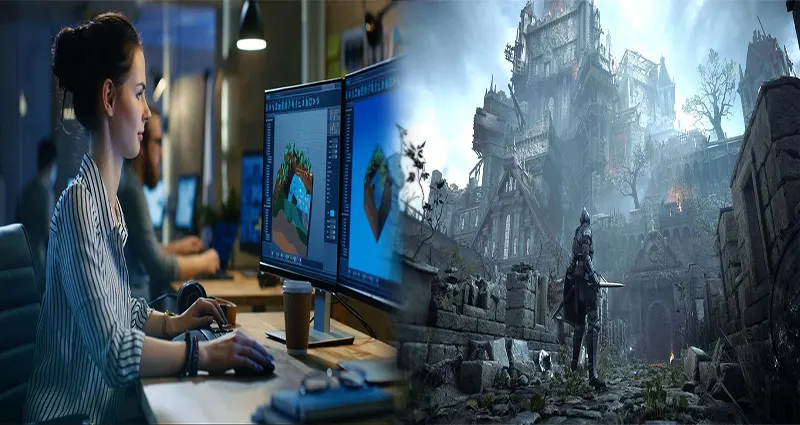
Computer graphics play a vital role in enhancing the visual appeal and overall gaming experience in modern video games. With advancements in technology, game developers now have a plethora of options when it comes to incorporating various types of computer graphics into their creations. Let’s delve into the different types of computer graphics commonly used in video games:

1. Raster Graphics:

Raster graphics, also known as bitmap graphics, consist of pixels arranged in a grid format. This type of graphics is widely used for rendering images, textures, and backgrounds in video games.

2. Vector Graphics:

Vector graphics utilize mathematical equations to create images rather than pixels. This allows for smooth scaling without loss of quality, making them ideal for creating logos, fonts, and user interface elements in video games.

3. 3D Graphics:

Three-dimensional graphics involve creating three-dimensional objects and environments within a game. This type of graphics enhances realism and … Read the rest

Courses for Perfecting Your Art of Graphic Design

In this day and age, graphic design is not just a job title; it’s an art form. And like any other art form, it takes years of practice to perfect your craft. The good news is that there are plenty of courses available online and in-person across the world where you can learn how to become a better graphic designer. If you’re interested in taking on this career path or just want to improve upon your existing skillset, here are some courses that will help you along the way:

Watercolor Illustration

Watercolor illustration is a style that uses watercolors and other materials to create images. Watercolor illustrations are usually made up of just a few colors, with the artist using their brush and paint to create the image they want.

Watercolor illustrations can be used in magazines or on posters, but they’re most often seen in children’s books because they’re … Read the rest