
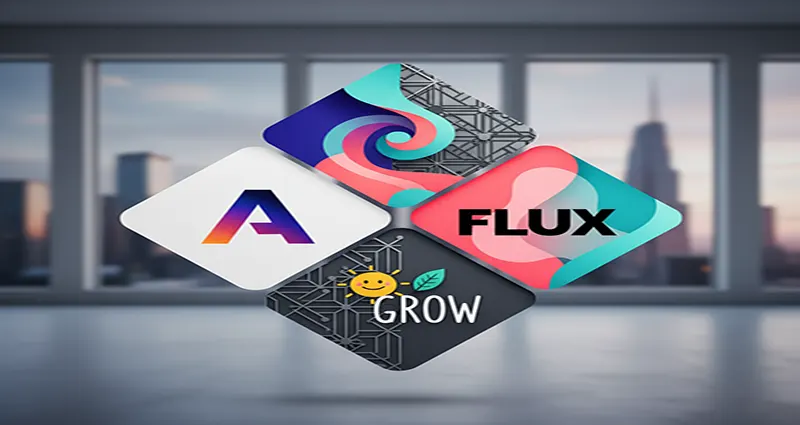
In today’s visually saturated market, effective business branding is more crucial than ever. It’s not just about a logo; it’s about a holistic visual language that resonates with audiences, communicates values, and stands out from the noise. Modern graphic design trends for business branding are dynamic, moving towards authenticity, flexibility, and impact, ensuring brands remain relevant and memorable.
To build a brand that connects and converts, businesses must embrace these evolving aesthetic and strategic approaches.
1. Bold Simplicity & Minimalism with a Twist
While minimalism has been a staple, the modern approach adds character. Brands are shedding excessive detail in favor of clean lines, ample white space, and clear typography, but with a surprising element.
- Elevated Typography: Typefaces are becoming the heroes. Unique, custom-drawn fonts or carefully curated pairings deliver distinct personality without needing complex imagery. Think strong, geometric sans-serifs or elegantly customized serifs that become instantly recognizable.
- Restrained Color Palettes with Pops: Brands are using a core neutral palette (often muted tones, grays, or deep navies) paired with one or two vibrant accent colors to create visual interest and highlight key elements without overwhelming the viewer.
- Negative Space Storytelling: Clever use of negative space to create secondary images or messages within a logo or design element, adding depth and intrigue.
Why it works: Simplicity translates across all platforms, from a tiny app icon to a large billboard, maintaining clarity and sophistication. The “twist” prevents it from feeling generic.
2. Authentic Illustration & Custom Graphics
Moving away from generic stock photos, brands are investing in bespoke illustrations and custom graphics to tell unique stories and convey a distinct personality.
- Hand-Drawn & Organic Elements: Illustrations that feel human, imperfect, and artistic, adding warmth and approachability. This can range from whimsical characters to abstract textures.
- Isometric Design: Creating a 3D effect in a 2D space, often used for technical illustrations, infographics, or depicting complex processes in an engaging and easy-to-understand way.
- Data Visualization as Art: Transforming data into beautiful, digestible graphics that are both informative and visually captivating, reinforcing transparency and expertise.
Why it works: Custom visuals are inherently unique, helping a brand stand out and build a stronger, more authentic connection with its audience than mass-produced imagery.
3. Dynamic & Adaptive Branding (Motion & Fluidity)
Static logos are becoming relics. Modern branding embraces movement and adaptability across digital touchpoints.
- Motion Logos & Animated Elements: Logos and brand elements that subtly animate on websites, social media, or in video content. This adds dynamism and helps capture attention in fast-paced digital environments.
- Fluid Gradients & Abstract Forms: Smooth, multi-color gradients that shift and flow, creating a sense of modernity, depth, and digital sophistication. Abstract, organic shapes replacing rigid geometric forms lend a more approachable and innovative feel.
- Modular Identity Systems: Brands are developing flexible identity systems where elements (colors, patterns, typography, imagery) can be reconfigured and adapted for different contexts while maintaining a cohesive brand feel.
Why it works: In a mobile-first, video-heavy world, dynamic branding holds attention, communicates modernity, and adapts seamlessly to diverse digital platforms.
4. Nostalgia Reinvented: Retrofuturism & Y2K Aesthetics
Designers are drawing inspiration from past eras, but with a fresh, contemporary twist, avoiding pure imitation.
- Retrofuturism: Blending vintage aesthetics (e.g., 70s sci-fi, 80s neon) with futuristic elements and digital touches. Think bold typography, vibrant chromatic colors, and geometric patterns.
- Y2K Resurgence: A playful return to early 2000s aesthetics – chunky bubble fonts, metallic textures, translucent effects, and bright, often slightly garish, color palettes. This trend often carries a sense of fun and irreverence.
Why it works: Nostalgia provides comfort and familiarity, while the “reinvention” makes it feel fresh and relevant to new generations, creating a unique and memorable brand personality.
Implementing Modern Trends for Your Business
Adopting these modern graphic design trends for business branding isn’t about blindly following fads. It’s about strategically choosing elements that align with your brand’s personality, target audience, and business goals. A strong brand identity requires a thoughtful blend of aesthetic appeal, clear communication, and adaptability for the ever-evolving digital landscape.

